A few years back we were called to a redevelopment site near the Irvine Spectrum where a former dry cleaner had left a plume of PCE in the shallow sands. The client was a commercial developer who needed a Phase II ESA followed by full remediation before they could break ground on a mixed-use project. We spent three weeks delineating the contamination with a grid of soil borings and temporary wells, then designed an in-situ chemical oxidation program using sodium persulfate. That project taught us how critical it is to understand Irvine's shallow groundwater—typically between 8 and 15 feet deep—and the presence of clay lenses that can trap contaminants. For similar sites, we often recommend pairing the initial site assessment with a study of site geology to map preferential flow paths, and a chemical characterization to classify waste for off-site disposal if excavation is needed. Getting the conceptual site model right from day one saves months of back-and-forth with the regulatory agencies.
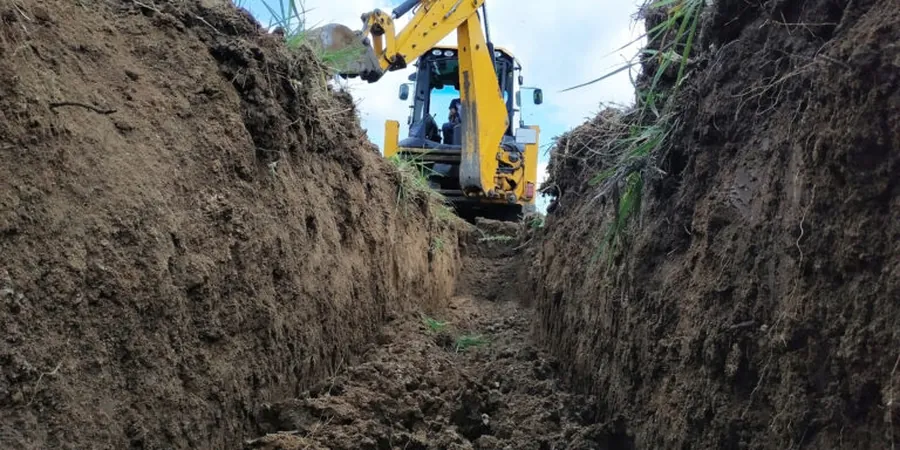
Mapping the clay lenses in Irvine's shallow aquifer is the difference between a 6-month closure and a 2-year cleanup.
Methodology and scope
- Phase II ESA with 6 to 12 soil borings per acre, logged on site by a registered geologist.
- Collection of discrete soil samples in EnCore samplers for VOC analysis, plus bulk samples for metals and SVOCs.
- Installation of 2-inch PVC monitoring wells with 10-slot screen, developed by surge block and bailed.
- Laboratory analysis under EPA Method 8260 (VOCs), 8270 (SVOCs), and 6010 (metals) at an ISO 17025 accredited lab.
Local considerations
Irvine sits on the eastern edge of the Los Angeles Basin, where the subsurface is dominated by Quaternary alluvial deposits—primarily silty sands and clayey silts with occasional gravel lenses. The water table is shallow, and the area is in Seismic Zone 4 per ASCE 7. These conditions create two main risks for contaminated soil remediation: first, shallow groundwater can spread dissolved-phase plumes quickly if not intercepted early; second, the clay layers can act as semi-confining beds, allowing vapor intrusion into overlying buildings. We have seen cases where a small diesel spill in a dry cleaner's back room, left unaddressed for a few years, migrated laterally over 150 feet within the sand layer. The combination of high seismic shaking and loose granular soils can also remobilize contaminated groundwater during an earthquake. That is why we always include a groundwater monitoring plan and a vapor intrusion assessment in our remediation designs for Irvine properties.
Explanatory video
Applicable standards
California Code of Regulations Title 22 (Hazardous Waste), EPA Method 8260B (VOCs in soil), ASTM E1527-21 (Phase I ESA standard), DTSC SMBRP Remedial Action Guidelines
Associated technical services
Site Assessment and Characterization
Phase I and Phase II ESA, soil boring and sampling, groundwater monitoring well installation, laboratory analysis (VOCs, SVOCs, metals, TPH), and vapor intrusion assessment. We deliver a conceptual site model and risk-based cleanup goals approved by DTSC or RWQCB.
Remediation Design and Implementation
In-situ chemical oxidation (ISCO), air sparging and soil vapor extraction, excavation and off-site disposal, thermal desorption, and bioremediation. We manage permitting, contractor oversight, post-remediation sampling, and closure reporting.
Typical parameters
Frequently asked questions
How much does contaminated soil remediation cost in Irvine?
A typical remediation project in Irvine ranges from US$2,960 to US$11,490 depending on contaminant type, volume of soil treated, and regulatory requirements. A small ISCO program for a dry cleaner site might fall near the lower end, while a larger excavation with off-site disposal can reach the higher end. We always provide a fixed-price proposal after the site assessment is complete.
How long does a typical remediation take in Irvine?
A straightforward in-situ chemical oxidation program usually takes 6 to 12 months from initial assessment to regulatory closure. Excavation projects can be faster, around 3 to 6 months, but require soil disposal and confirmation sampling. Sites with deep groundwater plumes or complex geology can take 18 months or more.
What contaminants are most common in Irvine soils?
The most common contaminants we encounter in Irvine are PCE and TCE from former dry cleaners, TPH-diesel from underground storage tanks, and metals like lead and chromium from historical industrial uses. Vapor intrusion from these VOCs is a growing concern in redevelopment areas.
Do I need a Phase II ESA before remediation in Irvine?
Yes. A Phase II ESA is almost always required by the lender or the city planning department before any remediation work can proceed. It defines the vertical and lateral extent of contamination, establishes baseline groundwater conditions, and provides the data needed to design an effective cleanup. Skipping this step usually leads to change orders and regulatory delays.