The drainage design work we do in Irvine usually starts with a careful look at the local soil profile. Our team brings out a track-mounted drill rig with hollow-stem augers to collect undisturbed samples from depths of 15 to 30 feet. The city sits on a mix of alluvial fan deposits and older terrace sediments, which means the groundwater table can vary dramatically between the northern neighborhoods near the Santa Ana Mountains and the flatter areas closer to the 405 freeway. Before we lay out any drainage scheme, we run a series of infiltration tests right on site. That data feeds directly into our percolation calculations for the proposed system.
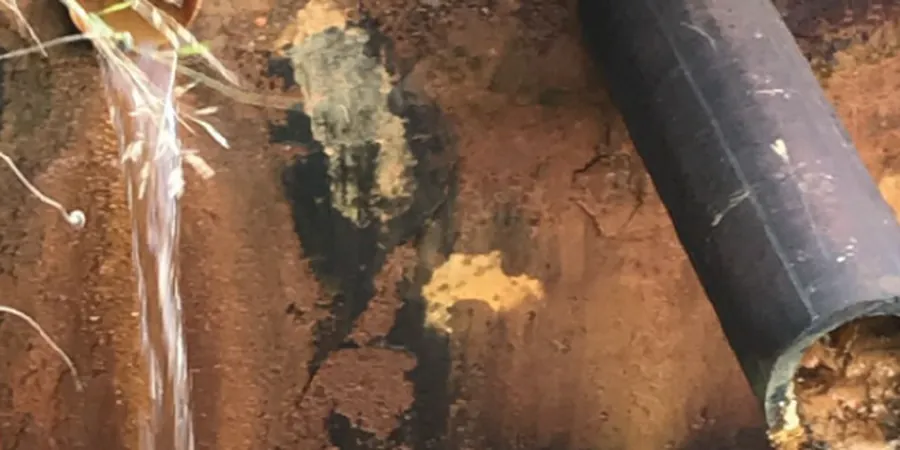
The difference in permeability between Woodbridge and Great Park soils can change your drainage design from a simple pipe to a full trench-drain network.
Methodology and scope
Local considerations
One thing we see frequently in Irvine is the underestimation of perched water tables. After heavy winter rains, a shallow clay lens can trap water just a few feet below the surface, creating a saturated zone that ruins slab-on-grade foundations. Many contractors assume the deep groundwater table at 20 feet means they are safe. That assumption is wrong. We always recommend installing a perimeter drain system even when the deep water table is low. That small investment prevents decades of slab cracking and mold issues inside the building.
Applicable standards
IBC 2018 Chapter 18 (Soils and Foundations), ASCE 7-16 (Minimum Design Loads), ASTM D1586-18 (Standard Test Method for SPT), ASTM D2434-19 (Permeability of Granular Soils), FHWA NHI-05-037 (Subsurface Drainage Manual)
Associated technical services
Foundation Drainage Systems
Design of perimeter drains, French drains, and sub-slab collection systems to keep water away from footings and slabs. We specify the right filter fabric, pipe diameter, and gravel gradation for Irvine's soil conditions.
Slope and Embankment Drainage
For projects near the Irvine Regional Park or along the San Diego Creek channel, we design horizontal drains, toe drains, and interceptor trenches to control seepage and maintain slope stability.
Retaining Wall Drainage
We calculate wall back-drain requirements based on soil type and wall height. Our designs include weep holes, geocomposite drain strips, and gravel blankets to prevent hydrostatic pressure buildup behind the wall.
Typical parameters
Frequently asked questions
What is the typical cost for a geotechnical drainage design in Irvine?
For a standard residential project, the design fee ranges between US$750 and US$2,700. This includes site visit, soil testing, percolation tests, and a full report with construction drawings. Larger commercial projects with multiple drainage zones can cost more.
How deep should a perimeter drain be installed in Irvine soils?
In most Irvine soils, we recommend a perimeter drain installed at least 6 inches below the bottom of the footing, with a minimum depth of 18 inches below finished grade. For sites with shallow clay layers, we sometimes go down to 36 inches to intercept the perched water table.
Do I need a drainage design if my building is on a slab-on-grade?
Yes, absolutely. Slab-on-grade foundations in Irvine are especially vulnerable to moisture damage from both rising groundwater and surface infiltration. A proper drainage design prevents slab curling, mold growth, and long-term settlement issues. Even with a high deep water table, a perimeter drain is a smart investment.