The coastal climate of Orange County keeps the alluvial soils beneath Irvine consistently moist, which directly affects the behavior of deep excavations. When groundwater sits just 10 to 15 feet below grade, every shoring design must account for seepage and potential base heave. In our experience, a well-conceived geotechnical design of deep excavations in Irvine starts with understanding the interbedded sands and silts left by ancient stream channels. That variability means one-size-fits-all solutions fail here. We pair site-specific borings with MASW-Vs30 surveys to map stiffness contrasts before selecting a support system.
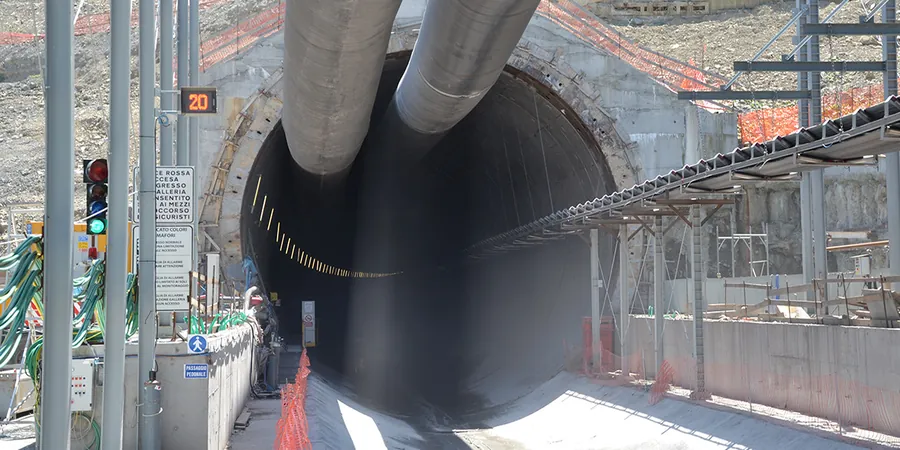
In Irvine's alluvial soils, a 30-foot-deep excavation can see lateral wall movements of less than half an inch when soldier piles are spaced correctly.
Methodology and scope
- Advance borings to 1.5 times the excavation depth using ASTM D1586 methods.
- Install piezometers to track perched water tables during the rainy season.
Local considerations
What we see often in Irvine is settlement of adjacent pavement or sidewalks during shoring installation. The granular soils here can ravel into the excavation if lagging is not placed promptly. Another hidden risk is hydrostatic uplift on the base slab when dewatering wells are shut off too early. A proper geotechnical design of deep excavations in Irvine must include a contingency for monitoring pore pressures until the dead load of the structure offsets buoyancy. We recommend vibrating-wire piezometers logged daily during the critical phase.
Applicable standards
IBC 2021 (Chap. 18 – Soils & Foundations), ASCE 7-22 (Seismic Lateral Earth Pressures), ASTM D1586-18 (Standard Penetration Test), OSHA 29 CFR 1926 Subpart P (Excavation Safety)
Associated technical services
Shoring & Support System Design
Design of soldier pile and lagging, sheet pile, and secant pile walls sized for the specific soil layering and groundwater conditions at your Irvine site. We include tieback load testing per ASTM D3689 and settlement monitoring of adjacent improvements.
Dewatering & Groundwater Control
Analysis of aquifer transmissivity, well spacing, and drawdown curves using the local Irvine groundwater data. We specify filter pack gradations and discharge treatment plans to comply with Santa Ana Regional Water Quality permits.
Typical parameters
Frequently asked questions
What is the typical cost range for a deep excavation design in Irvine?
For a mid-size project (30-foot depth, 20,000 sq ft footprint), the geotechnical design phase including shoring recommendations and monitoring plans runs between US$2,360 and US$9,080. The final cost depends on the number of borings, laboratory testing, and complexity of groundwater control.
How deep can you excavate before needing a shoring system?
In Irvine's alluvial soils, the OSHA threshold is 5 feet for a protective system. Below that, a shoring design is mandatory. Practically, we see sloughing and caving in the loose sands at depths as shallow as 8 feet, so a soldier pile system is often warranted even for moderate excavations.
What soil conditions in Irvine most affect deep excavation design?
The interbedded nature of the alluvium — lenses of clean sand within silty clay layers — creates variable lateral earth pressures. Groundwater in the shallow aquifer, typically 10–15 feet deep, also drives the need for dewatering or cutoff walls. Without accounting for those lenses, wall deflections can exceed tolerable limits.
Do you use soldier piles or secant piles in Irvine?
Both, depending on groundwater and adjacent structures. Soldier piles with timber lagging are common for dry excavations and open sites. For basements near property lines or where groundwater seepage is high, secant piles provide a watertight cutoff. We decide based on the site-specific permeability and target wall stiffness.
How long does the geotechnical design process take?
Field investigation and laboratory testing typically take 3 to 4 weeks. The design report with shoring recommendations, dewatering analysis, and monitoring criteria follows within 2 weeks after lab results. Total timeline is about 5 to 6 weeks for a standard Irvine project.